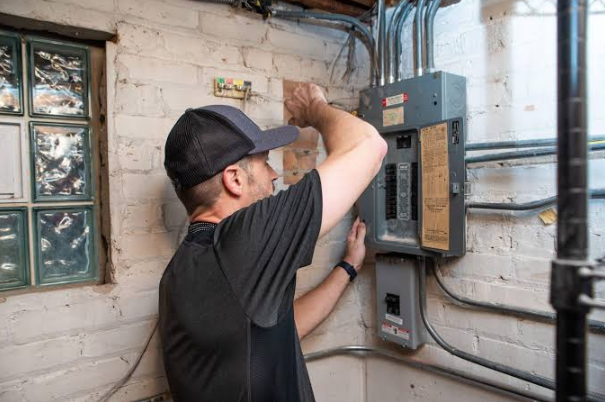

Garages are an important part of many residential properties, providing space for vehicle parking, household storage, maintenance activities, and home improvement projects. Modern garages may also contain electric vehicle chargers, power tools, automatic garage door openers, lighting systems, and other electrical equipment. These devices require safe and reliable electrical connections to operate properly.
For Chicago homeowners, maintaining garage electrical systems is particularly important because garages can experience moisture exposure, temperature changes, and physical damage from vehicles or equipment. Understanding common electrical problems, warning signs, and professional repair requirements can help reduce electrical hazards and prevent unexpected equipment failures.
Why Garage Electrical Safety Is Important
Residential garages often contain electrical equipment that operates in conditions different from those found in ordinary living spaces.
Electrical outlets, lighting fixtures, wiring, and connected appliances may be exposed to dust, moisture, vibration, and accidental impacts.
Proper electrical maintenance provides several important benefits:
- Helps prevent electrical interruptions affecting garage equipment.
- Reduces risks associated with damaged outlets and wiring.
- Supports reliable operation of automatic garage doors.
- Improves electrical safety when using power tools.
- Helps identify overloaded circuits.
- Supports the installation of modern garage equipment.
- Makes future electrical improvements easier to plan.
A qualified electrician can inspect existing garage electrical infrastructure and identify problems requiring professional attention.
Common Electrical Problems Found in Residential Garages
Garage electrical systems can develop faults because of aging equipment, unsuitable wiring arrangements, or environmental exposure.
Damaged Electrical Outlets
Garage outlets may become damaged through frequent use, physical impacts, or moisture exposure.
Cracked receptacles, loose connections, and discoloration can indicate electrical problems.
Faulty Garage Lighting
Lighting fixtures may develop defects because of aging components, damaged wiring, or unsuitable environmental protection.
Persistent flickering or repeated fixture failures should be investigated.
Overloaded Electrical Circuits
Garages sometimes contain several high-powered devices connected to the same circuit.
Power tools, air compressors, heaters, and other equipment can contribute to excessive electrical demand.
Damaged Wiring
Electrical cables can be damaged by storage materials, moving equipment, or previous improper modifications.
Exposed conductors and deteriorating insulation require professional evaluation.
Defective Circuit Breakers
Circuit breakers may trip because of excessive current, electrical faults, or problems involving connected equipment.
Repeated interruptions should not be ignored.
Moisture-Related Electrical Damage
Garages can experience water exposure from rainfall, melting snow, condensation, or plumbing leaks.
Moisture may damage electrical connections and contribute to corrosion.
Warning Signs That Garage Electrical Equipment Needs Repair
Homeowners should monitor electrical equipment for unusual behavior.
Frequently Tripping Circuit Breakers
Repeated breaker trips may indicate overloaded circuits, defective appliances, or damaged wiring.
Flickering or Dimming Lights
Lighting fluctuations can result from loose electrical connections, voltage problems, or defective fixtures.
Burning Odors
A burning smell near electrical equipment can indicate overheating or deteriorating insulation.
This condition requires urgent professional attention.
Sparking Electrical Outlets
Unexpected sparks around outlets or electrical connections may indicate dangerous faults.
Affected equipment should not be used until professionally evaluated.
Unusual Electrical Sounds
Buzzing, crackling, or popping noises may suggest potentially hazardous electrical conditions.
Visible Equipment Damage
Rust, discoloration, damaged enclosures, and exposed wiring should receive qualified attention.
When Should Homeowners Arrange Professional Garage Electrical Repairs?
Garage electrical problems should be addressed promptly when damaged wiring, defective outlets, or repeated electrical interruptions occur.
A qualified Electrical Repair Service in Chicago can help homeowners investigate garage circuit problems, inspect damaged electrical connections, evaluate protective devices, and perform appropriate repairs.
Licensed electricians can determine whether individual components require replacement or whether existing circuits need additional modifications.
Professional assessment is especially important when homeowners plan to install high-powered equipment or convert a garage into a functional workspace.
Understanding Electrical Circuit Requirements in Garages
Different garage appliances have different electrical requirements.
Automatic Garage Door Openers
Garage door openers require reliable electrical connections to operate correctly.
Unexpected interruptions may affect access and convenience.
Power Tools
Electric drills, table saws, grinders, and other tools may require considerable electrical current.
Air Compressors
Some air compressors use motors that draw additional current during startup.
Their electrical requirements should be evaluated according to manufacturer specifications.
Electric Vehicle Chargers
Home charging equipment may introduce substantial additional electrical demand.
Certain chargers require dedicated circuits and professional installation.
Garage Heating Equipment
Electric heaters can place significant loads on electrical circuits.
Portable heaters should be operated according to manufacturer instructions.
Workshop Lighting
Adequate lighting supports visibility during maintenance and workshop activities.
How Chicago Weather Can Affect Garage Electrical Equipment
Chicago’s seasonal conditions can influence garage electrical maintenance requirements.
Winter Snow and Ice
Vehicles may bring snow, ice, and road moisture into garages.
Water exposure can affect electrical equipment located near floors or other vulnerable areas.
Spring Rainfall
Rainwater intrusion can damage outlets, wiring, and electrical enclosures.
Summer Heat
Garage temperatures may increase during warm weather.
Electrical equipment should remain within its specified operating conditions.
Autumn Moisture
Seasonal humidity and condensation can contribute to deterioration in certain environments.
Temperature Fluctuations
Repeated temperature changes can affect building materials and equipment over time.
Professional inspections help identify damaged components requiring attention.
Why Ground-Fault Protection Matters in Garages
Garages may contain moisture-prone areas and electrical equipment used near concrete floors or outdoor environments.
Ground-fault circuit interrupters help reduce the risk of electric shock associated with certain electrical faults.
Garage Receptacle Protection
Garage outlets commonly require GFCI protection under applicable electrical codes.
Suitable Protective Devices
Ground-fault protection may be provided through compatible receptacles or circuit breakers.
Equipment Compatibility
Protective devices must be suitable for their intended installation.
Professional Installation
Qualified electricians can determine appropriate protection requirements.
Periodic Testing
GFCI devices should be tested according to manufacturer instructions.
Electrical Problems Affecting Automatic Garage Doors
Automatic garage door systems contain electrical and mechanical components.
Nonworking Garage Door Openers
A malfunctioning opener may result from power supply problems, defective equipment, or mechanical faults.
Intermittent Operation
Loose electrical connections or equipment defects may contribute to inconsistent operation.
Damaged Power Cords
Cords with cracked insulation or exposed conductors should not be used.
Defective Electrical Outlets
An outlet supplying the opener may require professional evaluation when power interruptions occur.
Backup Battery Issues
Certain garage door openers include backup batteries.
These components should be maintained according to manufacturer recommendations.
Mechanical repairs and safety testing should be completed by qualified garage door technicians where appropriate.
How Professional Electricians Diagnose Garage Electrical Problems
Professional troubleshooting helps identify the underlying cause of electrical failures.
Initial Safety Inspection
An electrician examines reported symptoms and identifies potential hazards.
Circuit Identification
The affected garage circuit is identified to determine which outlets and equipment may be involved.
Wiring Condition Review
Accessible wiring is evaluated for damaged insulation, loose connections, and deterioration.
Protective Device Assessment
Circuit breakers and ground-fault protective devices are checked for suitability.
Electrical Testing
Appropriate diagnostic equipment may be used to evaluate circuit conditions.
Repair Recommendations
Inspection findings help determine whether wiring repairs, outlet replacements, or circuit modifications are necessary.
Important Electrical Considerations for Garage Workshops
Some homeowners use garages for woodworking, vehicle maintenance, or other practical activities.
Dedicated Equipment Circuits
Certain machinery may require dedicated circuits according to its electrical specifications.
Suitable Outlet Placement
Proper outlet locations can reduce dependence on extension cords.
Adequate Lighting
Workshop lighting should support visibility around machinery and work surfaces.
Electrical Load Calculations
Professional calculations help determine whether existing infrastructure can accommodate additional equipment.
Environmental Protection
Electrical installations should be suitable for workshop conditions involving dust, vibration, or moisture.
Equipment Maintenance
Damaged power tools and electrical connections should be removed from service until properly repaired.
Common Garage Electrical Repair Mistakes to Avoid
Improper repair practices can create serious safety concerns.
Ignoring Repeated Breaker Trips
Recurring interruptions may indicate unresolved electrical faults.
Using Extension Cords Permanently
Extension cords should not replace properly installed permanent electrical connections.
Overloading Garage Outlets
High-powered equipment should not exceed the electrical capacity of connected circuits.
Installing Incompatible Components
Circuit breakers and other protective devices must be suitable for the electrical equipment.
Using Water-Damaged Electrical Devices
Equipment exposed to flooding should not be returned to service without professional evaluation.
Attempting Unqualified Electrical Repairs
Electrical distribution equipment may contain energized components even when the main breaker is switched off.
Internal electrical modifications should only be performed by qualified electricians.
Preventive Maintenance Tips for Garage Electrical Systems
Regular maintenance can help homeowners identify developing electrical problems.
Inspect Visible Outlet Conditions
Cracked, loose, or discolored outlets should receive professional attention.
Protect Electrical Equipment From Moisture
Water intrusion and condensation can damage electrical components.
Keep Electrical Connections Accessible
Electrical panels, outlets, and required disconnecting devices should remain accessible.
Maintain Accurate Circuit Labels
Clearly identified garage circuits make professional troubleshooting easier.
Avoid Electrical Overloading
Power tools and other equipment should be connected to appropriately rated circuits.
Monitor Lighting Performance
Repeated flickering or fixture failures should be investigated.
Schedule Professional Electrical Inspections
Qualified electricians can assess wiring conditions and identify deteriorating components.
Long-Term Benefits of Timely Garage Electrical Repairs
Addressing garage electrical problems promptly helps maintain dependable equipment operation and reduce avoidable interruptions.
Professional troubleshooting can identify damaged wiring, defective outlets, and unsuitable circuit arrangements before they create more serious concerns.
Proper electrical protection also supports safer use of power tools, garage door openers, lighting equipment, and other devices.
Maintaining accurate electrical documentation makes future improvements easier to organize.
Homeowners planning workshops, additional lighting, or electric vehicle charging can benefit from understanding existing electrical capacity before installation.
Conclusion
Garage electrical systems require proper maintenance because outlets, wiring, lighting fixtures, and connected equipment may experience physical damage, moisture exposure, and changing electricity demands.
Chicago homeowners should recognize warning signs such as repeated breaker trips, damaged outlets, flickering lights, unusual sounds, and burning odors.
With qualified electrical inspections, appropriate repairs, suitable circuit protection, and preventive maintenance, residential garages can maintain safer and more reliable electrical infrastructure while supporting everyday household activities.